A bridge carrying vehicles, a tower rising above a city and a shelf holding everyday objects all depend on one important engineering principle: stability. A structure may look impressive, but its real success is measured by how well it performs when forces act on it.
Structural stability in engineering is a structure’s ability to remain balanced and maintain its intended form under the loads and conditions it is designed to withstand. Exploring this idea helps students connect science, mathematics and creative problem-solving. Rather than simply memorising definitions, they can investigate why some designs work better than others.
What Helps a Structure Stay Stable?
A structure’s performance depends on how its parts work together. Engineers consider several features when deciding whether a design is suitable for its purpose.
Shape and framework: The arrangement of beams, supports and panels affects how forces travel through a structure. Triangular frameworks are widely used because they help resist changes in shape.
Base and balance: A broad, well-supported base can make a freestanding structure less likely to tip. The position of its centre of mass also affects balance.
Joints and materials: Connections must transfer forces effectively, while materials need to suit the loads they will experience. Weak joints or unsuitable materials can become points of failure.
These features are connected. Changing one part of a design can influence the performance of the entire structure.
Turn Engineering Principles into a Classroom Challenge
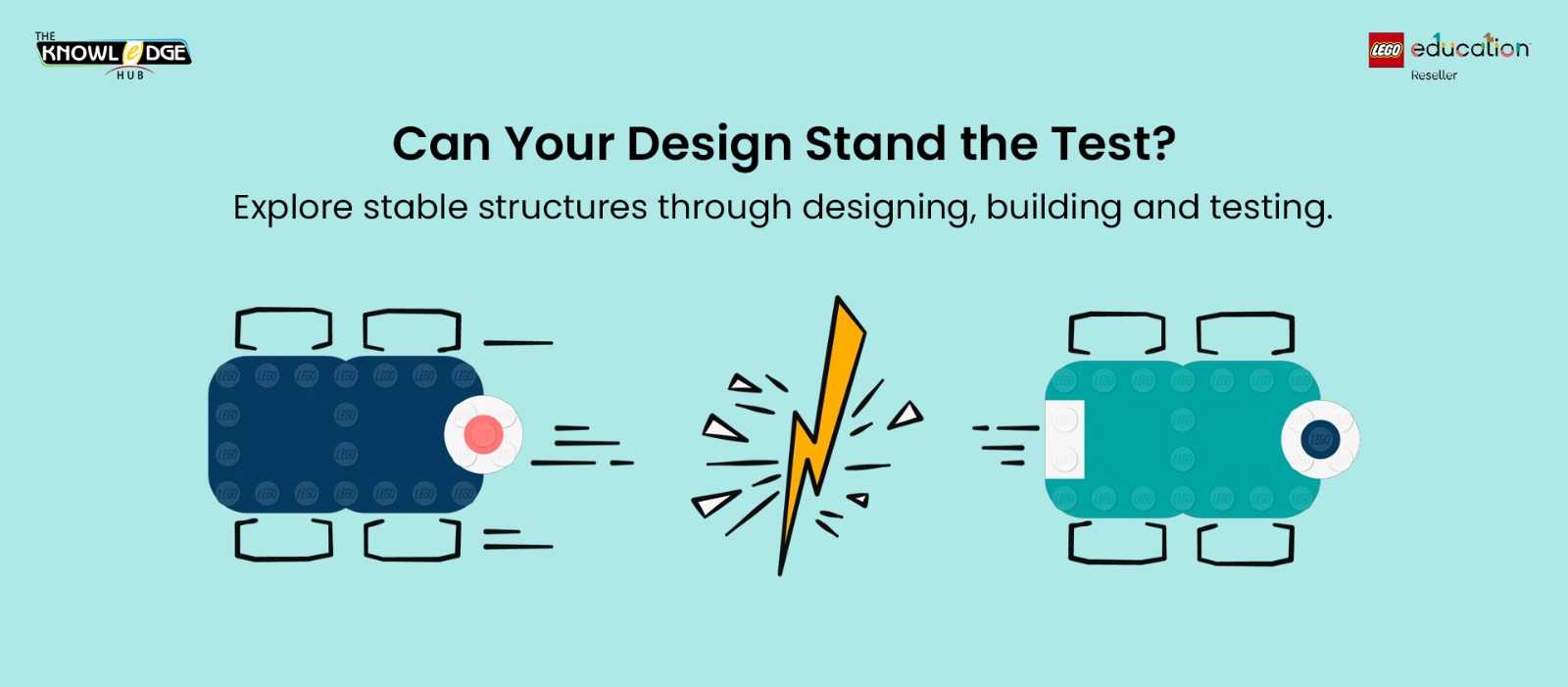
A design challenge makes structural stability something students can investigate. They might build a bridge between two supports, create a tower that stands independently or design a platform that can hold a given load.
Teachers can guide learners through a simple engineering cycle. First, students clarify the problem and agree on what a successful design must do. Next, they sketch possible solutions, choose an approach and build a model. They then test it in a consistent way, observe where it bends or becomes unstable, and record the results.
Students use what they discover to improve the model. They might widen its base, add diagonal supports, reposition a joint or change the arrangement of components. Testing the revised version helps them compare outcomes and decide whether the change made a difference.
The aim is not to find one perfect answer immediately. It is to help students understand that testing provides evidence and that improvement is part of engineering.
Questions That Deepen the Investigation
Purposeful questions encourage students to explain the reasoning behind their design choices. Teachers can ask: Which part of the structure may experience the greatest force? What happens if the load moves to one side? How does changing the base affect balance? Which connection seems weakest, and what makes you think so?
Students can sketch predictions, take simple measurements and compare results. These habits introduce the foundations of scientific investigation and evidence-based decision-making.
Connecting Classroom Models to the Real World
Structural stability can be seen in roof frameworks, pedestrian bridges, stadiums, cranes and high-rise buildings. Each example shows engineers making decisions about loads, materials, supports and safety.
Discussing familiar structures helps learners recognise that design choices have practical consequences. A bridge must support traffic; a tower must manage its weight and respond to forces acting on it. Classroom models offer an accessible way to explore these ideas and connect them to STEM learning.
For more ideas on building practical science and engineering experiences into school programmes, explore Knowledge Hub’s STEM curriculum solutions in the UAE.
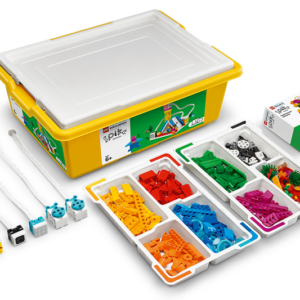
Exploring Engineering Concepts with LEGO® Education Science
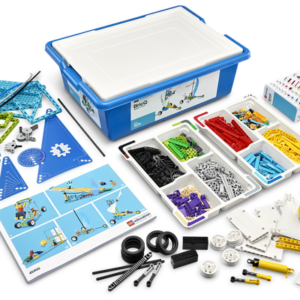
LEGO® Education Science provides practical learning experiences in which students investigate scientific ideas by building, observing and testing. Engineering-focused challenges can give learners opportunities to represent a design with a model, examine how its components interact and make changes based on what they discover.
The emphasis is on the learning process: asking questions, trying an approach, evaluating the outcome and improving the solution. With guided challenges and reflection, teachers can help students discuss stability while practising collaboration, reasoning and creative problem-solving.
Schools and educators interested in bringing these hands-on experiences into the classroom can explore the LEGO® Education Science kits available through Knowledge Hub Shop. This takes readers from the informational article to the relevant product listings, where they can review the kits and purchasing details.
Conclusion
A stable structure is the result of thoughtful decisions about shape, support, materials, connections and the forces it must withstand. Students begin to understand these relationships when they design their own solutions and investigate how those solutions perform.
By bringing structural stability into practical classroom challenges, educators can make engineering concepts more accessible and memorable. The valuable outcome is not simply a model that stays standing, but a learner who can explain why it works, identify what could improve and confidently test a better idea.