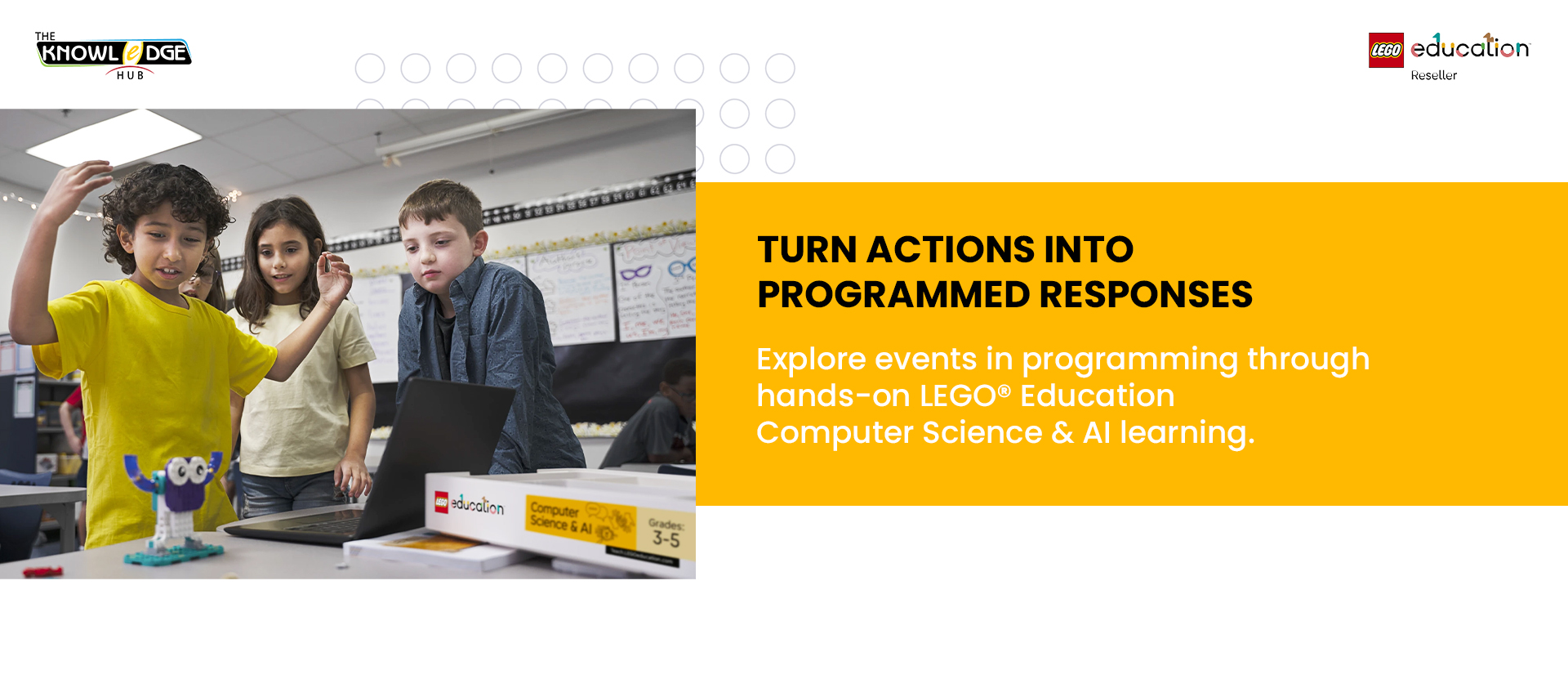
What happens when a student presses a button and a robot starts moving? How does a program recognise an action and know when to respond? These questions introduce learners to an important computer science concept: events in programming.
Events allow programs to respond to specific actions, inputs or occurrences. Through practical coding activities, students can explore how an instruction connects to an outcome. With LEGO® Education Computer Science & AI learning experiences, they can investigate these ideas by building, programming, testing and improving interactive projects.
What Are Events in Programming?
An event is an action or occurrence that triggers a response within a program. It could be a button press, a screen tap, a keyboard input or information received from a sensor. The program detects the event and carries out the instruction associated with it.
For example: WHEN a button is pressed, THEN a motor starts moving. The button press is the event, and the motor movement is the response. Students can explore this cause-and-effect relationship by changing the event, adjusting the instruction and observing what happens.
Different Events Students Can Explore
A program can respond to different types of events, including:
- Button events: A button press can start, stop or change an action.
- User interaction events: A click, tap or keyboard entry can trigger a response in an application.
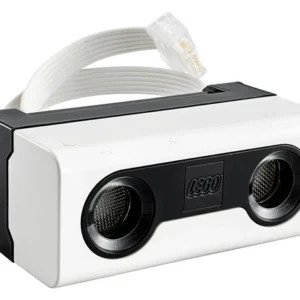
- Sensor events: A sensor can detect movement, distance or another change in the environment and prompt a programmed action.
- Programmed triggers: A condition or instruction can initiate another action within a sequence.
Exploring more than one event helps students understand that a program can respond in different ways depending on the input it receives. It also gives them opportunities to plan and test more complex interactions.
How LEGO® Education Supports Hands-On Computer Science
Students often understand a programming idea more clearly when they can see its effect. LEGO® Education Computer Science & AI learning experiences bring computer science concepts into practical classroom activities, encouraging learners to connect instructions with observable outcomes.
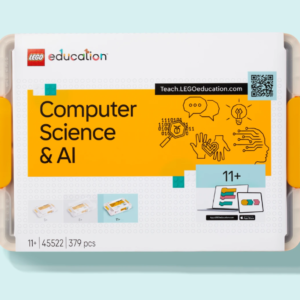
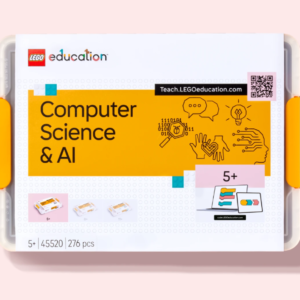
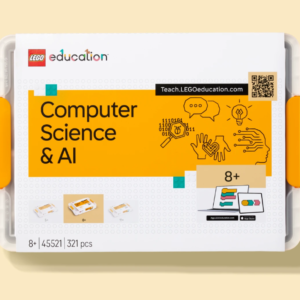
The LEGO® Education Computer Science & AI Kit is a relevant option for schools exploring hands-on computer science learning. Teachers can use structured learning experiences to help students investigate how programs work, explore inputs and outputs, and develop their understanding through active participation. Explore the available kit information and options on the product page.
During an event-based coding challenge, students might plan a simple interaction, decide which input should trigger it, create the corresponding instructions and test the result. They can then refine the program if the response is not what they expected. This cycle of planning, testing and improving makes programming a process of discovery.
Learning Skills Beyond Coding
Event-based programming activities can support several transferable skills. Students practise logical thinking when they connect an event to a response. They use problem-solving to decide which instructions are needed and computational thinking to organise those instructions into manageable steps.
They can also develop creativity by designing their own interactions, critical thinking by evaluating whether a program works as intended, and collaboration by sharing ideas and testing solutions with classmates. These skills help build a foundation for further learning in computer science, robotics and other STEM subjects.
Connect Computer Science with Wider STEM Learning
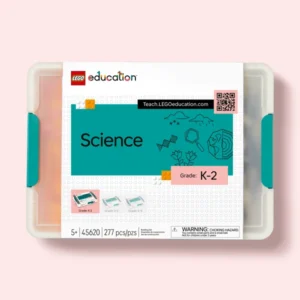
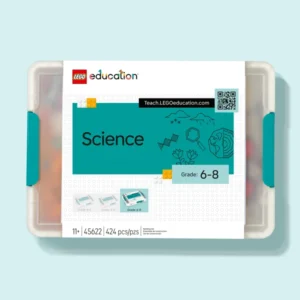
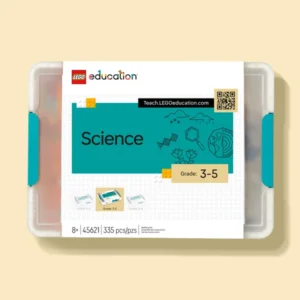
Computer science can sit alongside other areas of practical STEM learning. For schools looking to broaden classroom exploration, the LEGO® Education Science Kit offers a related way to engage learners in investigation and experimentation. It complements a wider approach to hands-on learning, while the Computer Science & AI Kit remains the more directly relevant choice for exploring programming events.
To discover the wider range of products and learning resources, visit the Knowledge Hub Shop. Educators can explore available LEGO® Education options and identify solutions that align with their classroom learning goals.
Bring Programming Concepts to Life
From a button press to a sensor-triggered action, every event gives a program a reason to respond. When students explore these interactions through hands-on activities, they gain a clearer understanding of how instructions shape the behaviour of technology.
Explore the LEGO® Education Computer Science & AI Kit at Knowledge Hub Shop and give students opportunities to build, experiment and discover how programming works—one event at a time.