Artificial intelligence is changing the way people interact with technology. From personalised recommendations and digital assistants to automated systems and intelligent applications, AI is becoming part of everyday experiences. For today’s students, understanding this technology is becoming just as important as knowing how to use it.
This makes AI literacy in schools an important part of preparing learners for the future. Rather than treating artificial intelligence as just another digital tool, educators can introduce students to the concepts, processes and thinking skills behind it.
The goal is to help students become informed participants in an increasingly technology-driven world.
Why Is AI Literacy Becoming Important for Students?
Students are already interacting with AI-powered technologies, sometimes without even recognising them. Search engines, recommendation systems, translation applications and digital assistants all demonstrate how artificial intelligence influences everyday activities.
However, using these applications does not necessarily mean understanding how they function.
Schools have an opportunity to bridge this gap by introducing students to the foundations of artificial intelligence. This helps learners understand where AI is used, how it processes information and why its results should be evaluated carefully.
Developing this understanding at an early stage can also encourage curiosity about science, technology, engineering and mathematics.
Five Essential Areas Students Should Explore in AI Education
An effective AI learning experience should introduce students to different aspects of artificial intelligence.
1. Understanding How AI Processes Information
Students should explore how AI systems receive inputs, process information and generate outputs. Simple classroom demonstrations can help explain these processes without requiring advanced technical knowledge.
2. Exploring the Role of Data
Data plays an important role in artificial intelligence. Students can investigate how information is collected, organised and used to help AI systems recognise patterns and make predictions.
3. Recognising Patterns and Making Predictions
Pattern recognition is a fundamental concept in many AI applications. Activities involving images, objects, numbers or classifications can help students understand how technology identifies similarities and differences.
4. Evaluating AI-Generated Information
AI tools can sometimes produce incorrect, incomplete or misleading information. Students should develop the habit of checking facts, comparing sources and questioning the reliability of AI-generated results.
5. Learning Responsible AI Practices
AI education should also introduce discussions around data privacy, fairness, bias and responsible technology use. These topics help students understand that technological progress must be accompanied by thoughtful decision-making.
How Can Teachers Introduce AI Concepts in the Classroom?
Teaching artificial intelligence does not have to begin with complicated programming or technical explanations.
Teachers can introduce AI concepts through age-appropriate activities, guided investigations and collaborative classroom challenges.
For example, students could compare how humans and machines classify objects, explore how changing input data affects predictions or investigate why an AI-generated response may not always be correct.
These activities encourage learners to observe, experiment, discuss and draw conclusions.
A structured learning approach can also help teachers connect AI concepts with existing subjects, including mathematics, science and computer science.
The Importance of Hands-On AI Learning
Students often understand complex ideas more effectively when they have opportunities to explore them through practical experiences.
Hands-on learning encourages students to move beyond memorising definitions. They can experiment with concepts, test different approaches, identify problems and learn from the results.
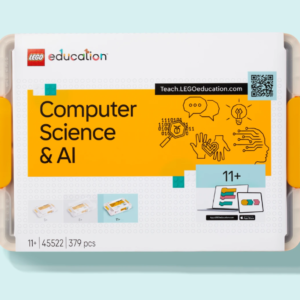
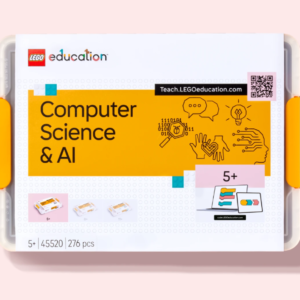
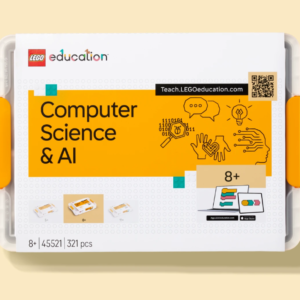
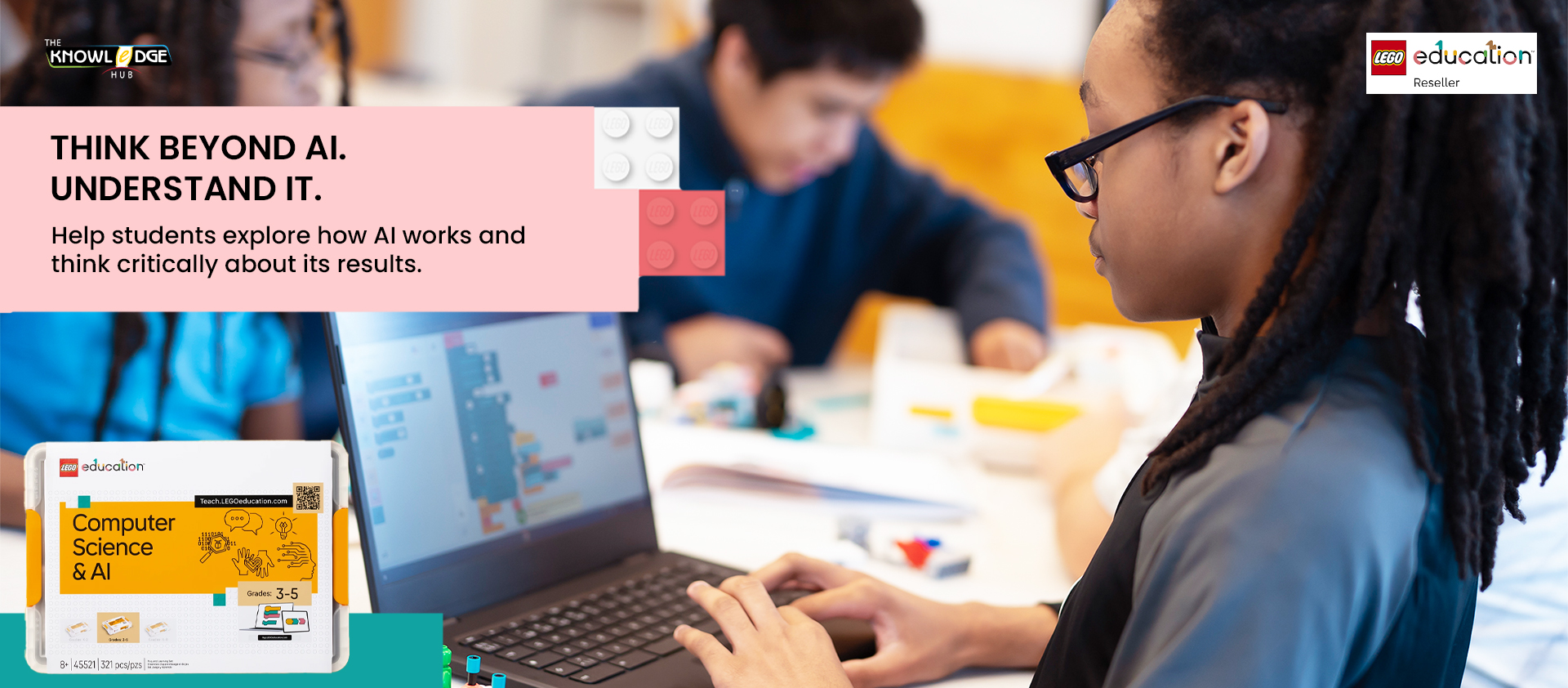
LEGO® Education Computer Science & AI offers opportunities to introduce computer science and artificial intelligence through engaging, hands-on educational experiences.
This approach supports active participation and gives students opportunities to develop computational thinking, collaboration and problem-solving skills alongside their understanding of technology.
For schools looking to strengthen their AI education initiatives, practical learning experiences can help connect theoretical knowledge with meaningful classroom exploration.
Creating a Strong Foundation for Future AI Skills
The future of education is not simply about introducing students to more advanced technologies. It is about helping them understand how those technologies work and how to interact with them responsibly.
By integrating AI literacy into school learning experiences, educators can encourage curiosity, independent thinking and a deeper understanding of digital technology.
Students who learn to question information, recognise patterns and evaluate technological outcomes are better prepared to navigate an AI-driven world.
Building AI literacy starts in the classroom, where exploration, understanding and critical thinking can turn technology into a meaningful learning opportunity.
Discover how Knowledge Hub and LEGO® Education Computer Science & AI can support schools in introducing students to the world of artificial intelligence.