Science is all around us. From understanding how objects move to exploring the properties of materials, students encounter scientific concepts in everyday life. But how can teachers help learners move beyond reading about science to actively understanding it?
Hands-on science learning gives students opportunities to explore scientific ideas through practical experiences. By investigating questions, testing ideas, and discussing observations, learners can connect abstract concepts with experiences they can observe and explain.
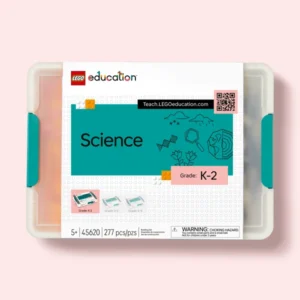
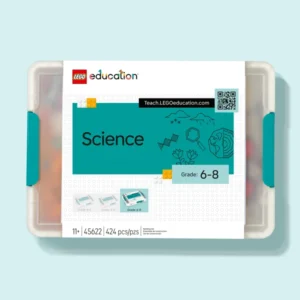
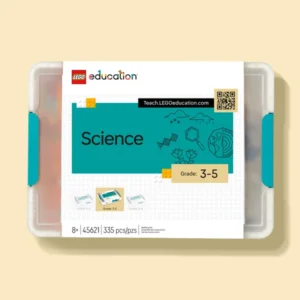
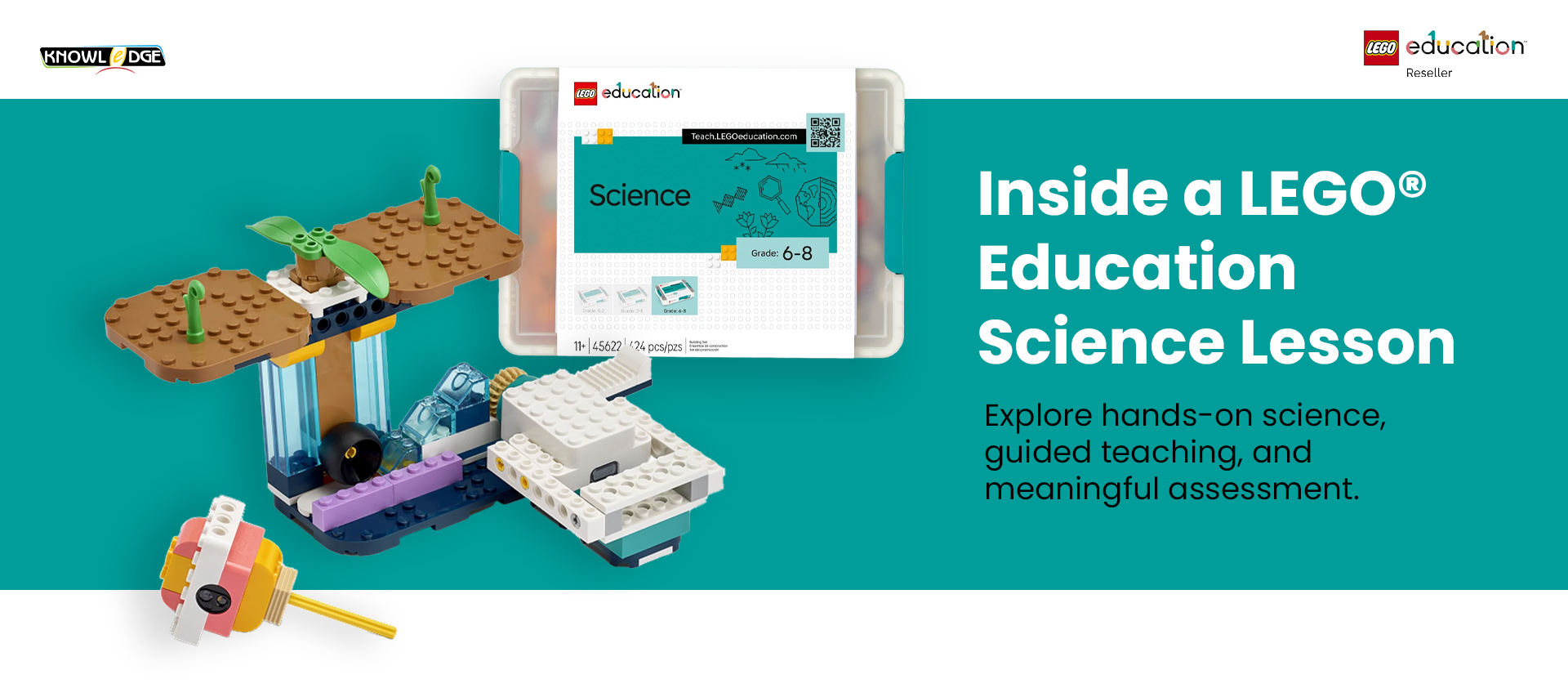
For schools looking to strengthen science and STEM education, LEGO® Education Science offers a structured approach to bringing practical learning into the classroom.
What Is Hands-On Science Learning?
Hands-on science learning is an approach that encourages students to engage directly with scientific concepts through practical activities and investigation.
Rather than relying exclusively on explanations or textbook exercises, students have opportunities to ask questions, explore possibilities, observe outcomes, and communicate what they discover.
For example, when exploring forces and motion, students can investigate how changing different conditions affects movement. They can compare observations, discuss possible explanations, and use evidence to support their conclusions.
These experiences encourage curiosity while giving students opportunities to practise scientific reasoning and problem-solving.
Why Is Practical Science Important for Students?
Practical experiences can help students engage more actively with the learning process. When learners investigate a question themselves, they have opportunities to connect new information with what they already know.
Hands-on science learning can support several important learning behaviours:
- Curiosity and questioning: Students develop questions and explore possible explanations.
- Critical thinking: Learners compare observations, evaluate ideas, and consider evidence.
- Problem-solving: Students investigate challenges and refine their approaches.
- Collaboration: Group activities encourage discussion, shared thinking, and the exchange of ideas.
- Communication: Students explain their observations and demonstrate their understanding.
These skills are valuable across science subjects and support broader STEM learning objectives.
How LEGO® Education Science Supports Classroom Learning
LEGO® Education Science combines hands-on learning experiences with structured lesson resources designed to support science teaching.
The approach gives students opportunities to engage with scientific questions and explore concepts through practical activities. Teachers can guide the learning process, encourage discussion, and help students connect their observations with the scientific ideas being explored.
The LEGO® Education Science Teacher Portal provides access to resources such as lesson presentations, facilitation notes, and assessment materials. These resources help teachers prepare lessons, guide activities, and create opportunities to review student understanding.
By bringing practical exploration and teacher guidance together, the solution supports a planned approach to classroom science learning.
Four Ways Teachers Can Encourage Hands-On Science Learning
1. Begin with a Question
Introduce a scientific phenomenon or real-world challenge that encourages students to think. Questions give learners a reason to investigate and help teachers connect activities with clear learning objectives.
2. Encourage Exploration
Give students opportunities to examine ideas, test possibilities, and observe outcomes. Encourage them to explain what they notice instead of immediately providing every answer.
3. Make Discussion Part of the Lesson
Invite students to share observations, compare results, and explain their reasoning. Classroom discussion helps learners consider different perspectives and communicate scientific ideas.
4. Check Understanding
Provide opportunities for students to demonstrate what they have learned. Assessment activities and follow-up questions can help teachers identify misconceptions and decide where additional guidance may be needed.
These practices help connect practical activities with purposeful teaching and learning.
Bringing Hands-On Science into Your School
Implementing hands-on science learning involves more than introducing activities. Schools need approaches that connect practical experiences with curriculum objectives, classroom instruction, and opportunities to assess learning.
LEGO® Education Science can support this process through its combination of hands-on experiences and teacher resources. Educators can use the available materials to guide lessons while creating opportunities for students to investigate and discuss scientific concepts.
Schools exploring broader STEM initiatives can also discover STEM curriculum solutions in the UAE to understand how structured learning experiences can contribute to their educational goals.
Conclusion
Hands-on science learning gives students opportunities to investigate questions, explore scientific concepts, and develop their understanding through practical experiences.
With LEGO® Education Science, teachers can bring hands-on exploration together with structured lesson guidance and assessment resources to support classroom science teaching.
Discover LEGO® Education Science with Knowledge Hub Dubai and explore opportunities to make science learning more interactive, purposeful, and engaging for students.