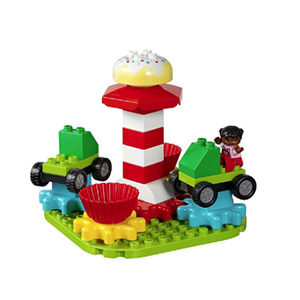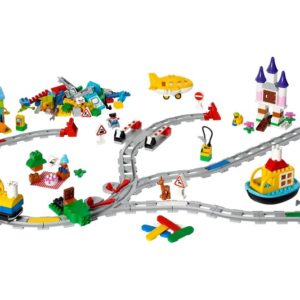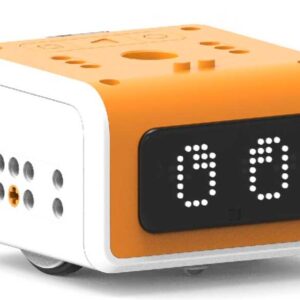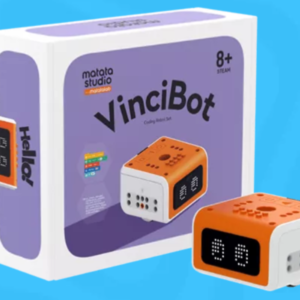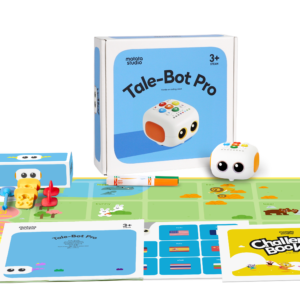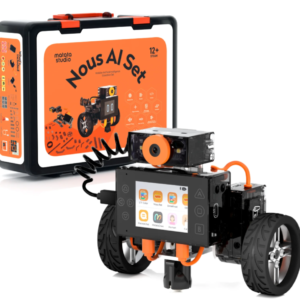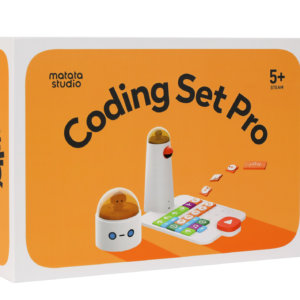
Construction toys, as the name suggests are a category of toys that are used to build or construct something. Essentially it means putting together pieces of toys to assemble a model. The basic components needed for setting up the ‘bigger picture’ are all made available to the child and he simply has to use his imagination. The best part about these toys is that the child can disassemble the unit and start from scratch again, each time eagerly awaiting to transform the pieces of toys into something new. This sounds like lots of ideas coming to life while having lots of fun!
Benefits of Construction Toys
Building toys are greatly advantageous for the cognitive development of the child. Cognitive skills help children think, explore, and form real-world connections which contribute to enhancing problem-solving skills, which is vital in today’s dynamic world. Enlisted below are some good reasons to introduce kids to constructive toys- a must-have in their toy racks;
#1 Spatial Learning
Spatial skill is the ability to visualize a three-dimensional object and figure out how it would appear in different scenarios when you decide to rotate or flip the object. It allows children to manipulate the object in their head first and estimate how much space will the object occupy. through play-way, children learn important concepts associated with size, position, and shape recognition- big, small, under, over, round, square, etc. Blocks are excellent examples of construction toys that develop the child’s spatial skills. It’s challenging and exciting for kids to stack blocks, join them, and manipulate them to build different things like; a tower, a car, a train, and even a garden scene. Block building allows them to mix & match blocks of different sizes, shapes, and colors, to initially form unstructured models, and later manipulate the same to construct structured models. Spatial reasoning is the basis for preparing students for subjects like; math, arts, and science.
#2 Improves Motor Skills
While playing with construction toys children have to indulge in a lot of movement like; lifting up pieces, fixing one over the other, and applying pressure to fasten the model. All this gives kids a reason to use their muscles and practice a good pincer grip, thereby enhancing their gross motor & fine motor skills. Eye-hand coordination is the key to any construction and alongside this, the child also learns to stay focused & immersed in work.
#3 Never Give Up Attitude
If the child builds a model but is not too happy with the outcome, he has a chance to start anew and work out another model. Adults must always encourage the ‘can do’ spirit and never let the child feel disappointed with his work. This teaches them that it’s okay to make mistakes and there’s always a way out to find a solution and move forward.
#4 Creative Imagination
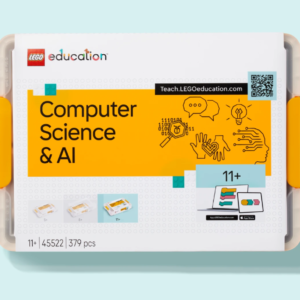
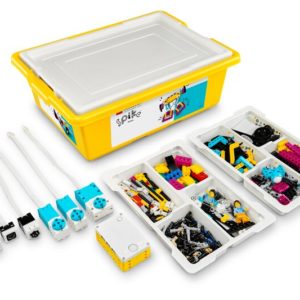
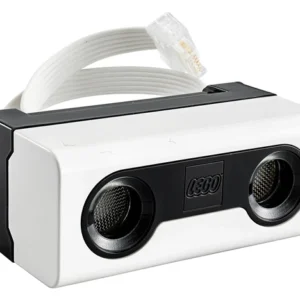
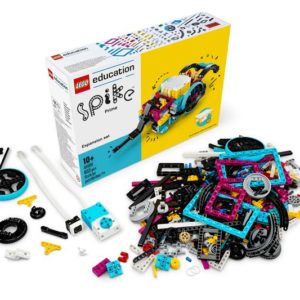
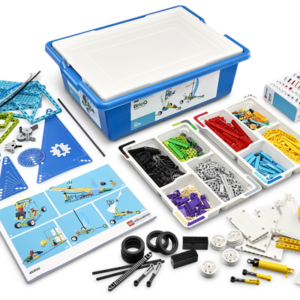
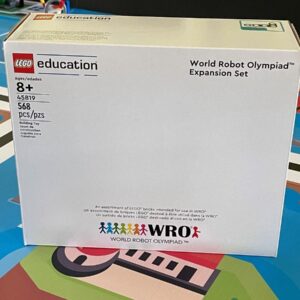
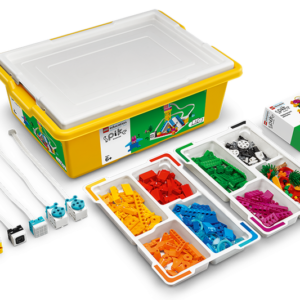
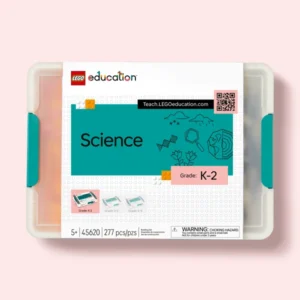
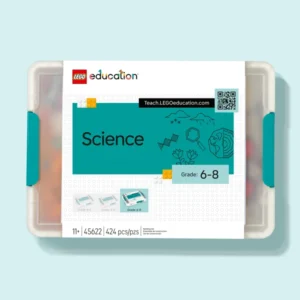
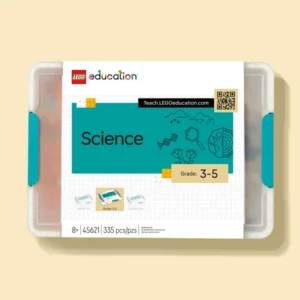
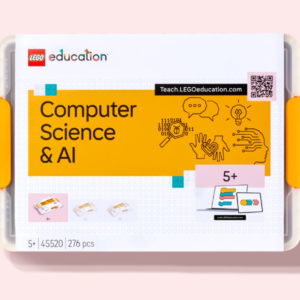
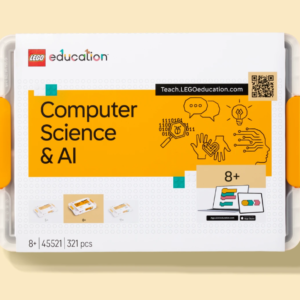
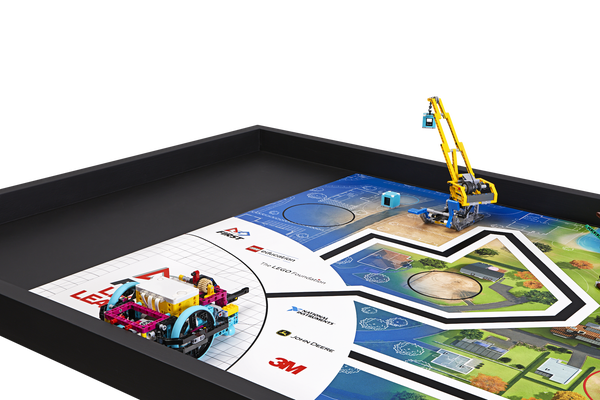
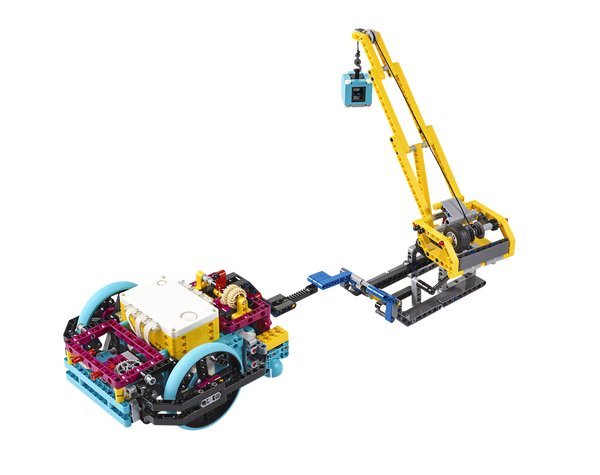
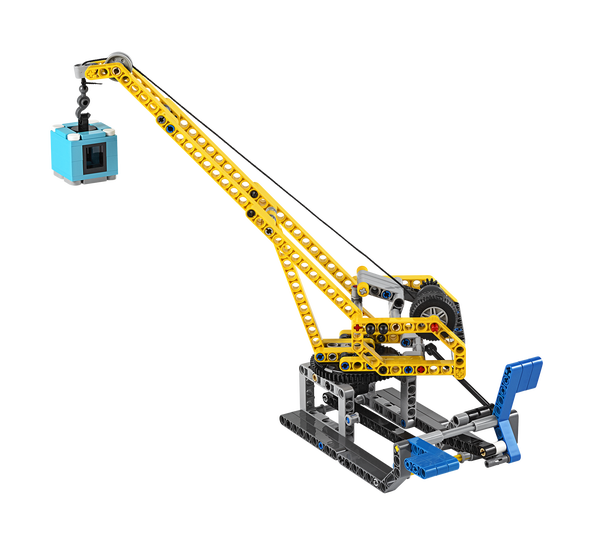
There are so many things that children can build with constructive play, that even the sky isn’t a limit! Take for example the famous LEGO® sets, a classic kit that promises youngsters to bring their dreams into reality. With the help of a manual and your imagination, one can come up with interesting projects such as; building a workable crane, constructing a castle, and even designing a rocket launcher. It’s even possible to use simple coding language and power these toys into workable models. With the new LEGO® Education SPIKE™ Prime series, one can build a Robot that dances and another one that solves the Rubik’s cube faster than any of us could have imagined. Schools that adopt the STEM curriculum in Dubai and other GCC countries across the Middle East, include LEGO® Education sessions as a part of their curriculum, to make kids smarter and instill in them a sense of confidence. Constructing something ‘out-of-the-box’ and being applauded for it, goes a long way in reassuring the student of his creative capabilities. To learn more about LEGO® Education products and to avail it in the UAE region; visit our website: https://shop.knowledge-hub.com/
#5 Encourages Cooperative Play
Building toys also fosters team spirit, as students learn to cooperate with others in class to culminate a project. When groups of 5 children are assigned to put their brains together and work out a model that showcases ‘push & pull forces’ in action, children automatically learn to assign roles, allocate tasks, and brainstorm with each other. Respecting each other’s points of view and learning that success is achieved by collective efforts, goes a long way in preparing students for the office work culture.